Variation marker · One Act
Chopiniana · Variation 1
The Chopiniana · Variation 1 solo in the supplied full-ballet reference. These times are specific to the supplied production.
- Start
- 8:20
- End
- 10:36
- Duration
- 2:16
Full ballet 15 · Romantic reverie in one act
Also known as Chopiniana: Michel Fokine's moonlit, plotless ballet turns Chopin's music into a dream of poets, sylphs, and pure Romantic atmosphere.
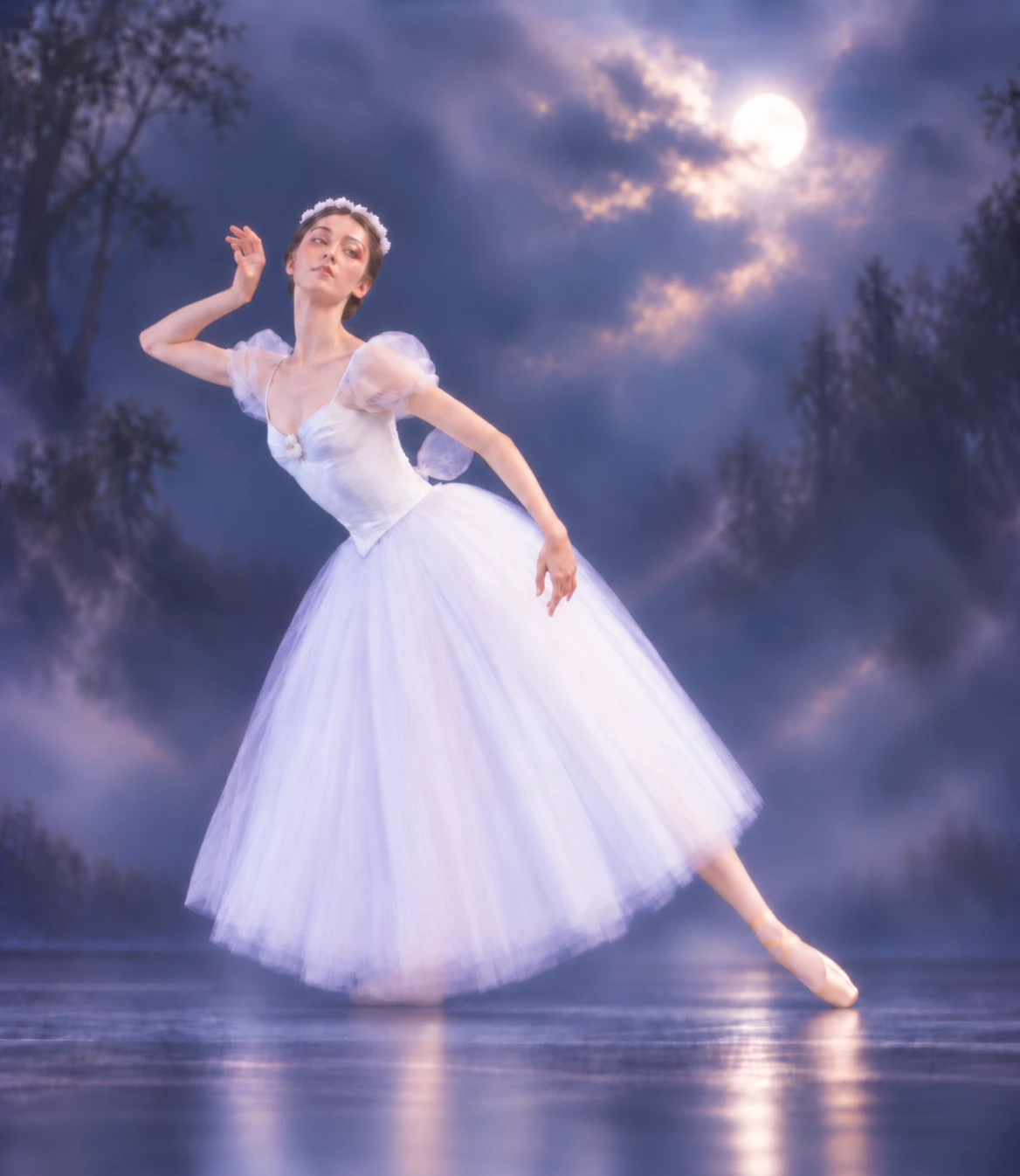
Chopiniana · Les Sylphides
Watch the complete work
In this performance, notice how the ballet's atmosphere is created through ensemble precision, softened Romantic épaulement, quiet pointe work, and seamless musical phrasing. With no dramatic plot to drive the action, the corps de ballet and principal dancers shape the work through mood, spacing, breath, and the changing character of Chopin's music.
Les Sylphides / ChopinianaPlayback is hosted by YouTube · supplied reference starts at 15:21.
Open the supplied reference ↗Variation marker · One Act
The Chopiniana · Variation 1 solo in the supplied full-ballet reference. These times are specific to the supplied production.
Variation marker · One Act
The Chopiniana · Variation 2 solo in the supplied full-ballet reference. These times are specific to the supplied production.
Variation marker · One Act
The Chopiniana · Variation 3 solo in the supplied full-ballet reference. These times are specific to the supplied production.
How to read a plotless ballet
Les Sylphides is often described as a “Romantic reverie.” Its meaning comes from musical mood, ensemble design, and the contrast between the Poet and the sylphs rather than from a sequence of dramatic events.
Study lens
Les Sylphides has no conventional story. A Poet enters an idealized Romantic landscape inhabited by sylphs: elusive, weightless spirits who seem to belong to the night, the forest, and the music itself. Instead of mime-driven action, the ballet unfolds as a sequence of encounters, ensembles, and solos shaped by Chopin's piano music.
Study lens
The Poet does not pursue a dramatic objective in the way a prince or hero would in a narrative ballet. He is surrounded, guided, and briefly absorbed into the sylphs' world. Their relationships are atmospheric rather than literal: glances, crossings, suspended balances, and soft group patterns create the feeling of memory, longing, and a dream that cannot be held.
Study lens
Each section is defined by musical character. Waltzes, mazurkas, preludes, and nocturne-like passages give the dancers different qualities while preserving the same Romantic world. The choreography depends on breath, épaulement, quiet pointe work, softened landings, and the illusion that the ensemble is continuously floating through Chopin's phrasing.
The figures onstage
The ballet's “characters” are intentionally archetypal. Their emotional life is communicated through musical phrasing, line, focus, and ensemble relationships.
The human dreamer
The ballet's lone male figure, often associated with the Romantic image of the poet or artist. He moves among the sylphs as if entering a vision created by music.
Spirits of the Romantic world
An ensemble rather than narrative characters. Their unity, breath, and soft coordination create the ballet's atmosphere of moonlight, distance, and weightlessness.
Solo voices within the ensemble
The principal women step out of the corps for solos and pas de deux, then dissolve back into the larger pattern. Their individuality is musical rather than plot-driven.
Behind the ballet
1907 · St. Petersburg. Fokine first created Chopiniana as a suite of dances to orchestrated Chopin. The early version was not yet the white, moonlit ballet known today; Fokine continued reshaping the work as he moved toward a unified Romantic vision.
1908 · The Romantic transformation.In the revised version, narrative specificity gave way to an idealized world inspired by nineteenth-century Romantic ballet. Long white tulle skirts, softened port de bras, airborne groupings, and poetic musical response became the work's defining language.
1909 · Paris and the name Les Sylphides. Serge Diaghilev presented the ballet with the Ballets Russes at the Théâtre du Châtelet in Paris. The work was billed as Les Sylphides, a title that linked its atmosphere to the supernatural heroines of the Romantic era and helped establish it internationally.
Unlike many nineteenth-century ballets, Les Sylphides does not tell a fairy tale or love story. Its innovation is structural: Fokine used existing concert music to create a coherent choreographic poem. The ballet became one of the enduring works of the Ballets Russes repertory and a model for later plotless ballets built around music, movement, and atmosphere.
The score is not a single orchestration made by Chopin. Different productions have used orchestral arrangements by several musicians, and the exact ordering or orchestration of numbers can vary. For competition study, match the choreography and music to the specific edition selected by the dancer's teacher or coach.